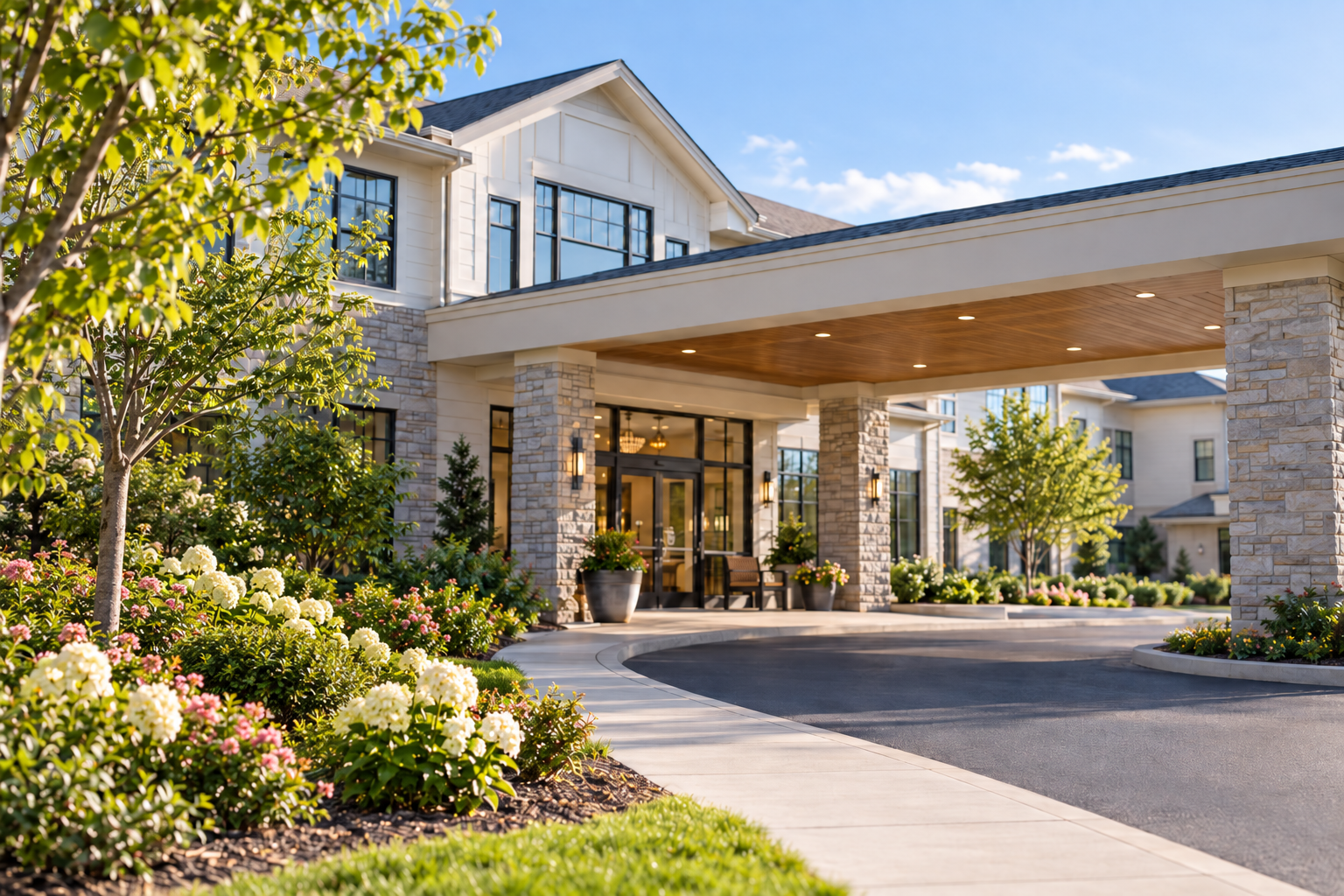
HUD financing can provide assisted living facility owners with a long-term financing option designed specifically for eligible healthcare properties. Through the HUD 232 program, qualified owners may be able to acquire, refinance, or make improvements to an assisted living facility with FHA-insured financing.
What Is HUD Financing for Assisted Living Facilities?
HUD 232 financing is a federally insured loan program for eligible healthcare properties, including qualifying assisted living facilities. The program is designed to support long-term financing and can offer features such as fixed interest rates, extended loan terms, and fully amortizing payments.
For owners planning to hold an assisted living facility for the long term, this type of financing can provide more predictable debt service and limit the need to refinance the property frequently.
How Can Assisted Living Owners Use HUD Financing?
Depending on the transaction and HUD requirements, financing may be used to:
- Refinance existing debt
- Finance the acquisition of an eligible assisted living facility
- Fund eligible property improvements or renovations
- Support long-term ownership and recapitalization strategies
The specific loan structure and proceeds will depend on the property, borrower, and applicable HUD requirements.
Example: Refinancing an Assisted Living Facility
Consider an owner who has operated an assisted living facility for several years. The property has stable occupancy and consistent operating performance, but the owner’s existing loan is approaching maturity. The owner plans to continue holding the facility and does not want to take on another short-term loan that will require refinancing again in a few years.
The owner could explore HUD 232 financing as a potential long-term solution. If the facility and borrower meet the applicable HUD requirements, the new loan could be used to refinance the existing debt and provide a long-term, fixed-rate financing structure.
The owner may also want to make improvements to the facility, such as renovations or other eligible upgrades. Depending on the transaction and HUD requirements, those improvements may be considered as part of the overall financing strategy.
In this case, the owner is looking beyond the interest rate alone. A longer-term, fully amortizing loan could provide more predictable monthly debt service and reduce exposure to future interest rate changes and refinancing risk.
What Does HUD Look At?
HUD underwriting considers both the property and its operations. Factors can include the facility’s financial performance, occupancy, operating history, physical condition, market, and ability to support the proposed debt service.
Owners should also be prepared for HUD-specific requirements, including property inspections, documentation, reserves, and other underwriting and closing requirements.
A facility’s operating history can be particularly important. For example, a property with consistent occupancy and cash flow may be a stronger candidate than one that has experienced declining occupancy or inconsistent financial performance.
Why Consider HUD Financing for Assisted Living?
One of the primary advantages of HUD financing is the potential for long-term, predictable debt. A fixed-rate, fully amortizing structure can help owners manage cash flow and reduce exposure to interest-rate changes and refinancing risk.
For an owner planning to hold a facility for many years, that predictability can be especially valuable. An owner who expects to sell the property in the near term, however, may have different financing priorities.
Bottom line: HUD financing can be an attractive option for qualified assisted living facility owners seeking stable, long-term financing. Understanding eligibility requirements, loan costs, and the property’s financial profile is key to determining whether HUD 232 financing is the right fit.